

A little while ago I was making noises about setting up a new rig to record video blogs. I eventually got it all set up and I have attempted a few recordings but I’ve still not found my feet with it yet. Many accuse me of loving the sound of my own voice, but the root of the problem is the opposite. I cannot stand hearing myself droning on about things I’ve been trying to communicate for years. I’ll get over it eventually but I’m not putting any pressure on myself.
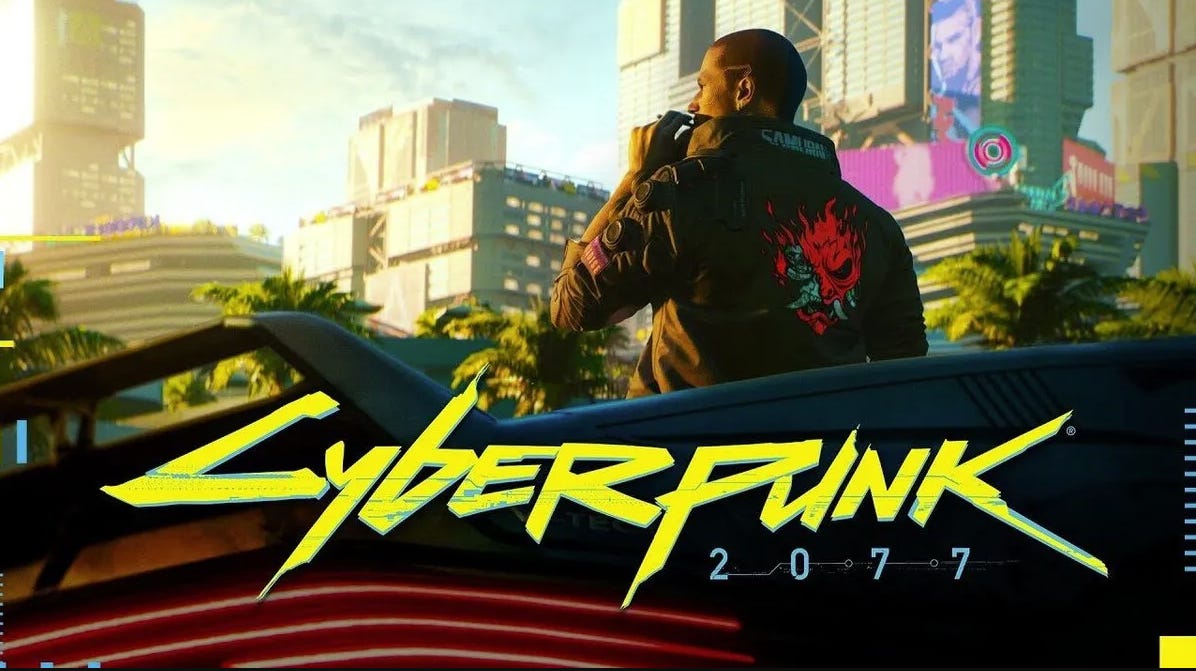
Still, though, for the last few weeks I’ve had a nice shiny desktop PC with some serious processing power, so I decided to put it through its paces with a computer game. I bought Cyberpunk 2077, an open world sci-fi roleplay novel. It’s really very good. But it almost wasn’t.
The studio, CD Projekt Red, made very big promises, and told gamers to wait. It would be released when it was ready, and not before. But the game was released prematurely and was riddled with bugs, glitches, poor AI, crashes, and unplayable performance despite PC demo versions that fraudulently hid console problems.
Sony removed it from the PlayStation Store offering full refunds. The studio apologised, issued patches, and faced lawsuits and investor backlash. Developers knew it was unready, even confronting leadership but executives pushed forward, leading to post-launch apologies and fixes. The company’s market capitalisation fell by $7.2 billion. The botched release eroded more than a year’s worth of growth in the blink of an eye.
One report asks about the public reaction. “Any publisher will have its rabid fans that work to shout down any criticism. Cyberpunk’s frothing devotees were an extreme example of that, relentlessly harassing journalists and critics as CD Projekt Red stood by and let it happen.
The studio lied to the press, promising there would be no crunch on Cyberpunk 2077 (there was quite a lot of it). They threw developers under the bus with investors (and then hastily apologised out of the other side of their mouths). Studio leadership published misleading video footage of Cyberpunk 2077 on consoles while telling investors that the game was in good shape on those platforms (it was really a mess).
The studio eventually redeemed itself through a number of system patches but the debacle has become a textbook example of how not to do things. It was redeemed only by eventually living up to its promise. It’s still a bit buggy but it’s seriously good. The turnaround has also become a textbook example in the industry.
Much of the problems stemmed from the developers being overambitious. The gulf between their imaginations and hardware reality was too wide to be bridged, and they lied to gamers about their abilities. A former developer said “We were inventing new systems while still figuring out what the game even was. Some days it felt like we were building the airplane mid-flight”.
This does seem to be the tale of our age, with things being developed on the back of a poor definition with the intent of sorting out the problems later. Concurrent development has been the model for complex weapons procurement, leading to the disastrous AJAX programme. The same can be said of Eurofighter, which was in service for years before being able to do the basic tasks it was designed to do. I suppose you can get away with that when the taxpayer is a bottomless pit.
CD Projekt Red only managed to weather the storm on the back of its prior reputation for producing ground-breaking new games. Had this been their first venture, it would have been their last. I trust I do not need to insult your intelligence by elaborating on why this is relevant to British party politics.
This post was a bit above my pay grade but if even computer games aren't doing detail - we are doomed!!
Crikey Pete, you are on a roll at the moment. Another excellent article.